

What is Digital?
For something to be digital, it must have a countable number of states. For example, your fingers and toes: there are usually ten of each, which is a countable amount. An even simpler example is a light switch, which can be either on or off. This is in contrast to things that are analog, which have an infinite number of states.
This would include things like the volume on a radio (assuming it’s a circular knob). Since circles are considered to have an infinite number of points, objects such as a radio or dimmer switch would be considered to have an infinite number of states. Another key difference between these two ideas is that a digital copy is indistinguishable from the original. Something like an MP3 can be copied and replayed without losing its quality. The same cannot be said for cassette tapes. This is because digital removes noise.
Think of it like this: visualize sound as numbers. With analog, you might see sound as 0.23, 0.56, 1.2, and 1.1111111. Now, visualize everything after the decimal points as noise, or static, that damages the quality. With digital, the sound might look more like this: 0, 00, 1, and 111. Digital is taking that 0.23 and trying to find the closest sound, a 0 or 1, and transmitting it as such—a 0—to the end user. This process seeks to represent sound as binary code, 1s and 0s, which I discussed in my previous post, which you can find here. Now, lets look at some objects dating all the way back to 3,400 B.C.
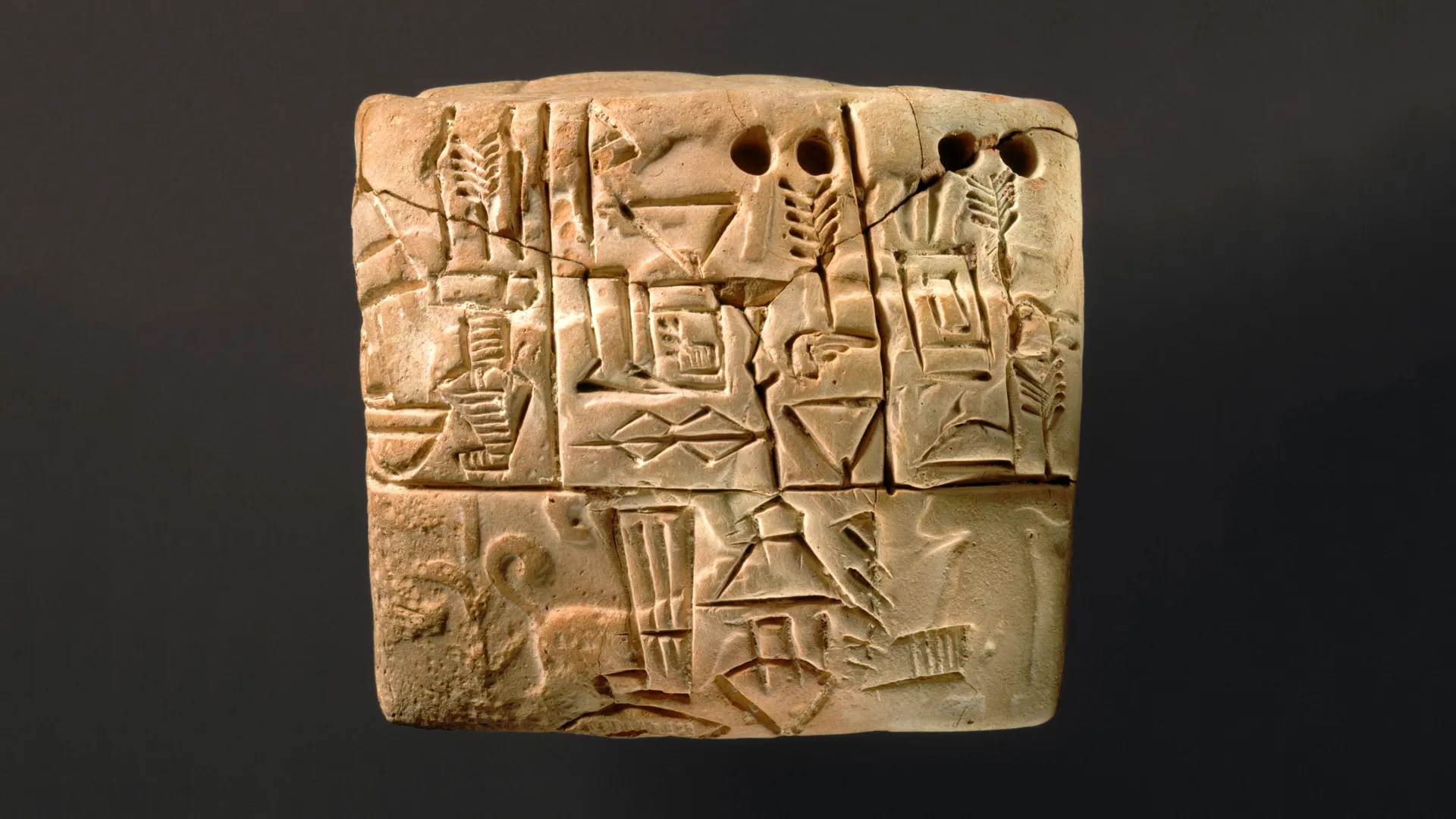
Cuneiform (3,200 B.C)
Cuneiform is considered one of the earliest writing forms. It originated in ancient Mesopotamia and used pictures, pressed into clay tablets, as a form of communication.
Do you think this pictographic communication is digital or analog?
If you chose digital, you are correct! Though there are a large array of things that could be drawn into symbols, they are still quantifiable. This makes cuneiform one of the earliest pre-cursors to the digital revolution.

Aeolipile (100 AD)
This revolutionary invention is the first of its kind. An aeolipile uses steam to create mechanical movement, which, for its time, was revolutionary. As you can see in the image above, steam, generated from heated water, propels the sphere in the center.
Would you consider this to be digital or analog?
If you chose digital, you are incorrect. This sphere has an infinite number of states. It can spin as fast or as slow as the steam allows. It is also highly unlikely you could get the sphere to spin at an exact speed due to the variability of steam.
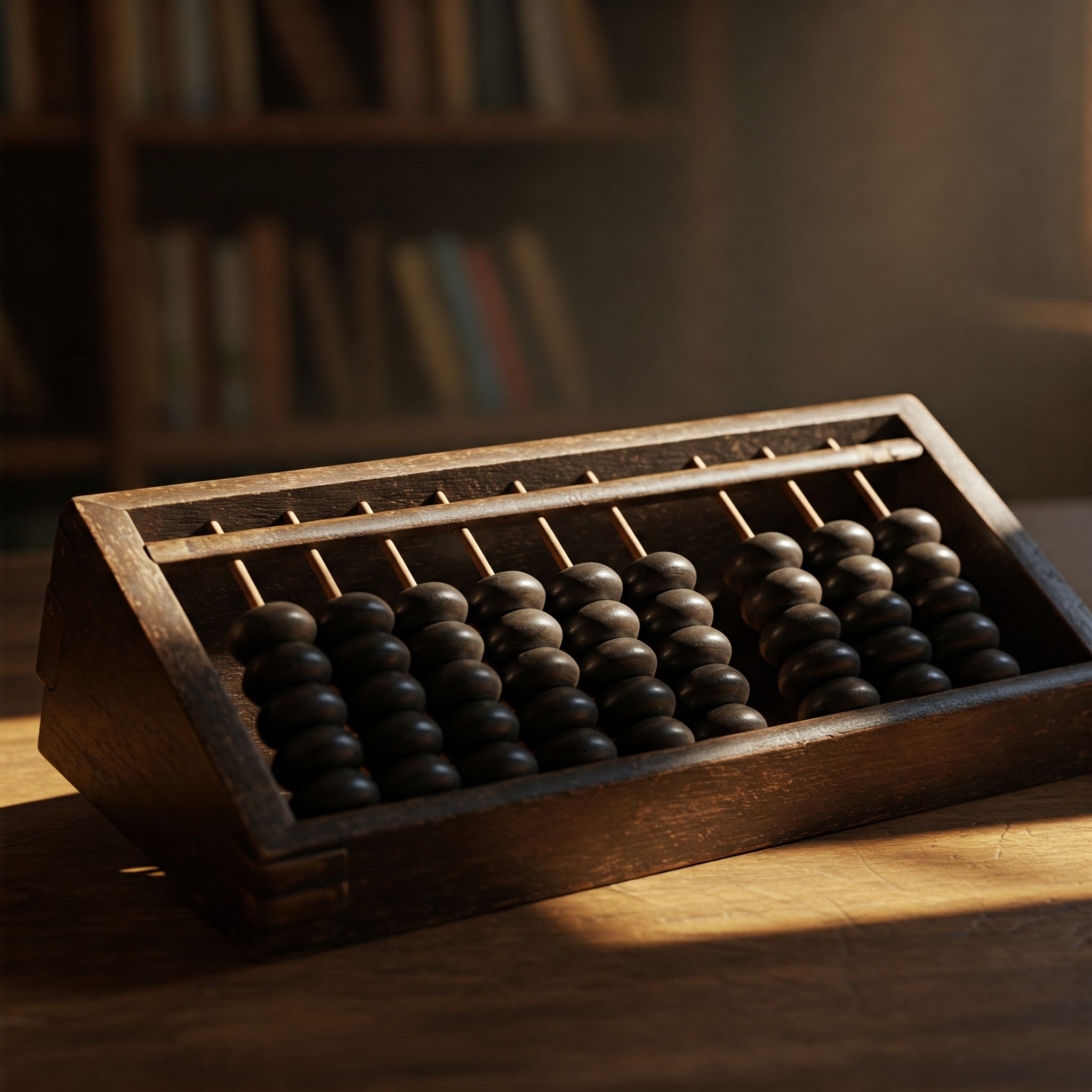
Abacus (1000 AD)
An Abacus can be used for math applications such as addition, subtraction, multiplication, and division. In contrast to a calculator an abacus only has a certain amount of rings, as shown in the image above, thus it does have a limit to what can be calculated.
Based on this information, is a abacus digital or analog?
If you chose analog, you are incorrect. Based on the countable number of states this would be a digital item. Even though we can calculate relatively high numbers, there is still a limit.
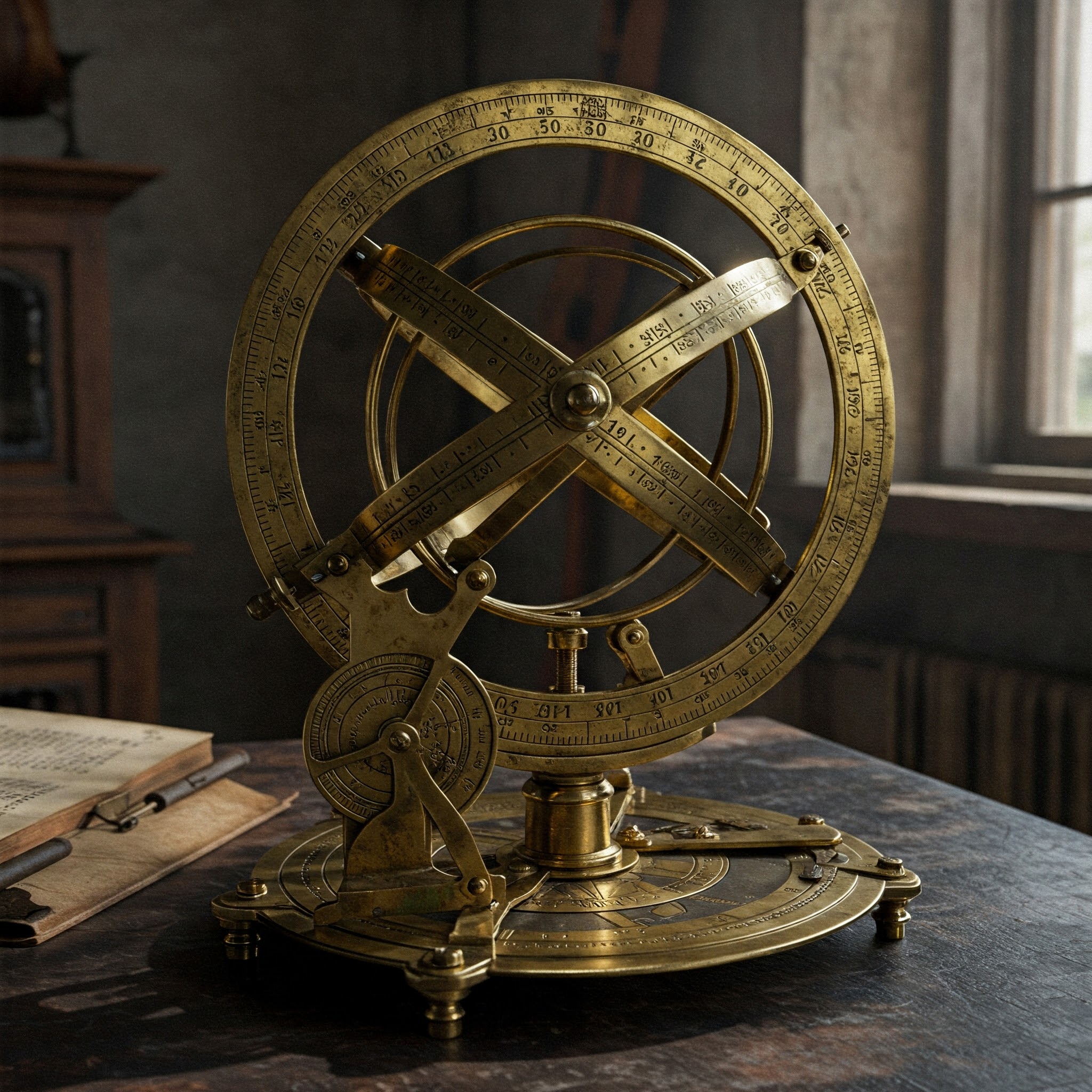
Astrolabe (1500)
Astrolabes were used for astronomy, navigation, and even time keeping. These complex devices used angles (hint), scales, and pointers to determine things like positioning of stars, the time of day, and latitude for map plotting.
Do you you think this device is analog or digital?
If you chose analog, you’re right! Due to the use of angles for measurements on this device, the resulting values were discrete opposed to continuous. This results in an uncountable amount of states, thus this is an analog device.
All content on this page was checked by Gemini Flash 2.0 on 4/2/25, using the promopt “Correct for spelling, grammar, and punctuation”.